Luke 12-16
Choosing the Twelve
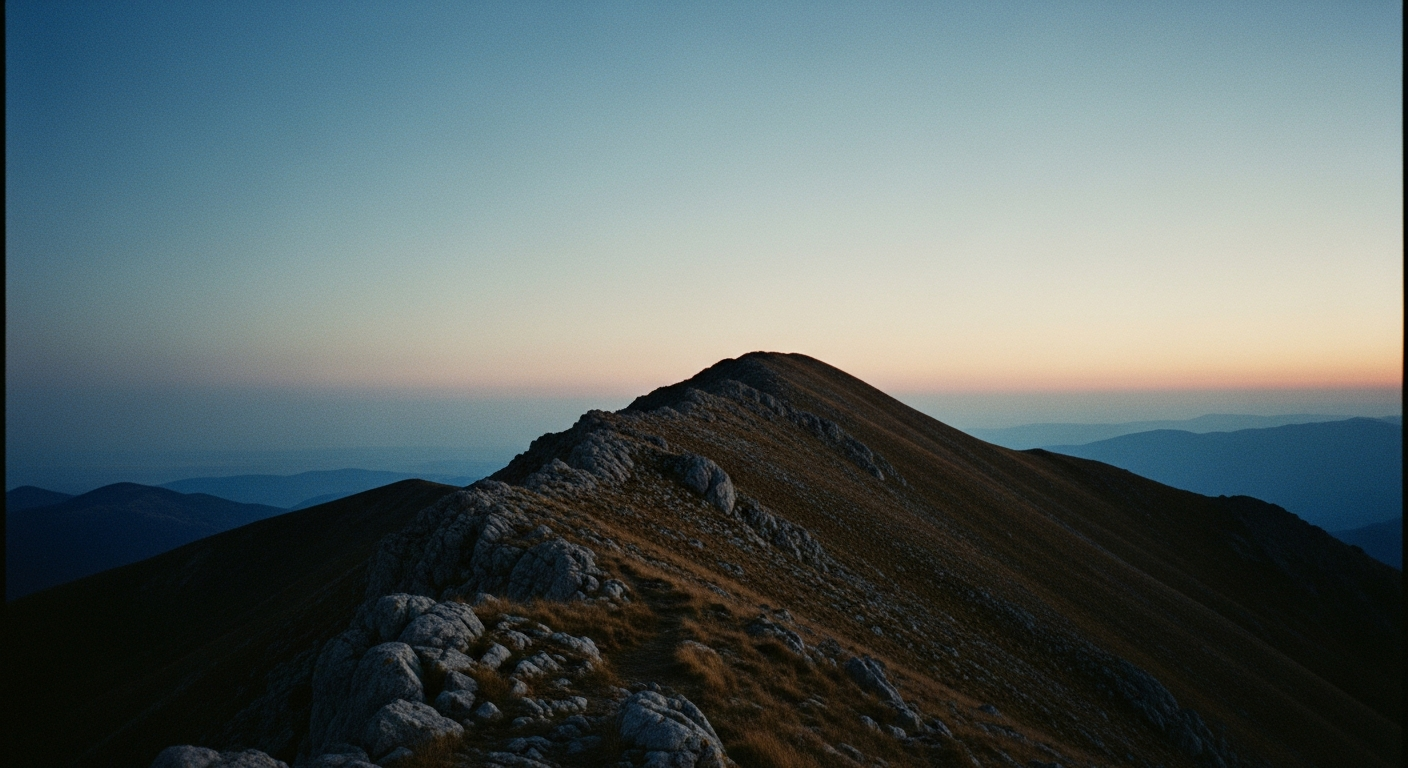
In those days Jesus went up the mountainContextThe mountainIn Jewish tradition, mountains are spaces of divine encounter — Moses on Sinai, Elijah on Horeb. Luke's definite article (“the mountain”) signals theophany space. That Jesus spends all night in prayer before choosing the Twelve echoes Moses' vigil on Sinai before receiving the covenant. The paradox is striking: the one who just claimed lordship over the Sabbath spends the entire night in dependent prayer. to pray, and he stayed all night— through the cold and the dark, not sleeping. At dawn he called his disciples together. From them he chose twelveContextTwelveThe number is not arbitrary. Twelve tribes constituted Israel. By selecting twelve from among his followers and naming them “apostles” (ἀποστόλους — authorized representatives, from the Hebrew concept of shaliach, one who carries the full authority of the sender), Jesus claims the authority to reconstitute the people of God. This is a founding act, not a staffing decision., and named them apostles. Simon — he called him Peter. Andrew, Peter's brother. James and John. Philip. Bartholomew. Matthew. Thomas. James son of Alphaeus. Simon the ZealotCultureThe ZealotThe Zealots were a Jewish political movement committed to violent resistance against Roman occupation. Simon's designation identifies him as a revolutionary — someone who believed armed revolt was the path to Israel's liberation. That Jesus' inner circle included both Simon the Zealot and Matthew the tax collector (a collaborator with Rome) reflects the explosive political diversity of the group. These men would have been natural enemies.. Judas son of James. And Judas Iscariot. Who became a traitor.