Luke 1-5
Lord of the Sabbath
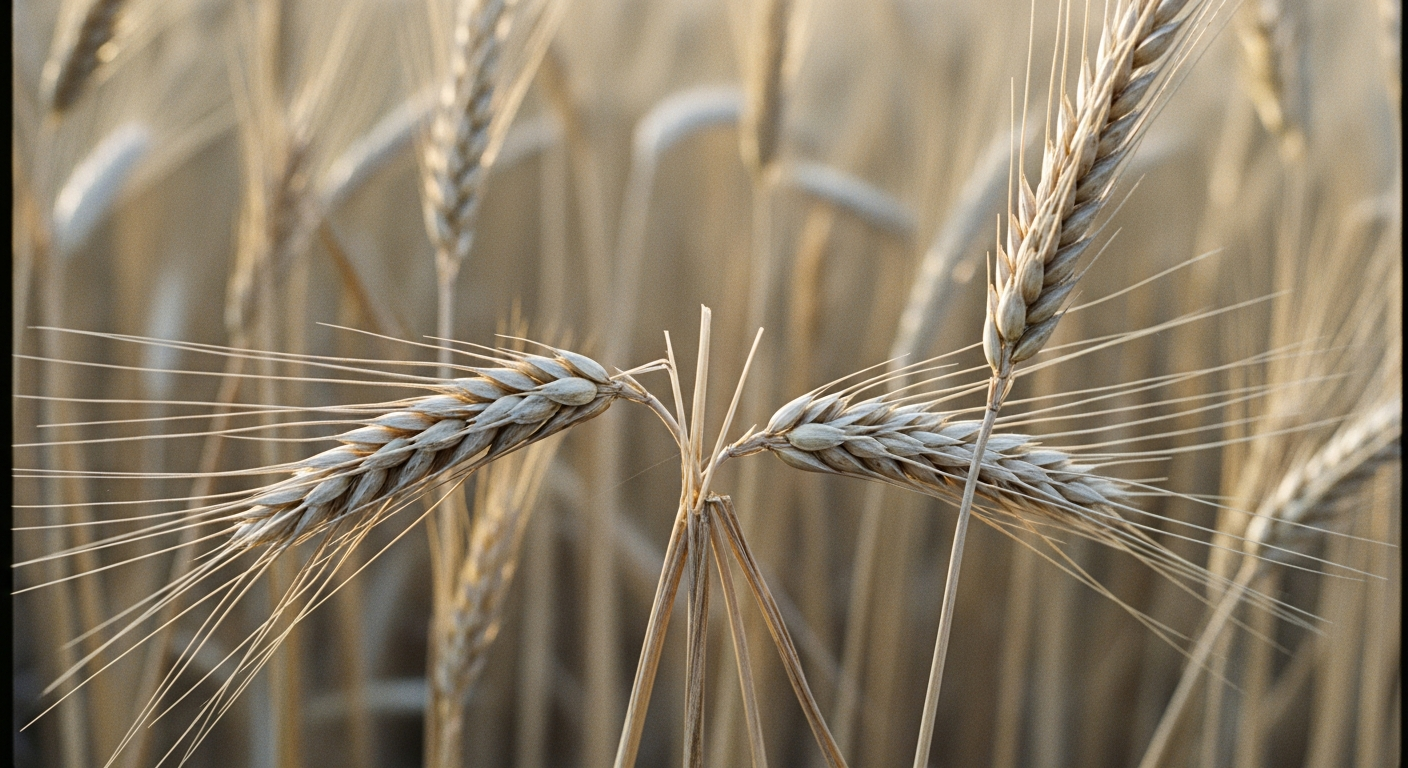
One SabbathCultureSabbathThe Sabbath was far more than a day off. It was the sign of God's covenant with Israel (Exod. 31:13-17), a gift to freed slaves who had never known a day of rest. Jews died rather than violate it during the Maccabean revolt. Sabbath observance defined Jewish identity against Roman assimilation. The debate here is not “religion vs. freedom” but an intra-Jewish argument about proper interpretation., Jesus was passing through the grain fields with his disciples. They were hungry. They plucked heads of grain, rubbed them open in their hands, and ate. Some Pharisees challenged them: “Why are you doing what is not lawful on the Sabbath?”
Jesus turned to them. “Haven't you read this — what David did when he and his companions were hungry? How he entered the house of God and took the bread of the PresenceCultureBread of the PresenceTwelve sacred loaves set before God's presence in the holy place, replaced weekly — reserved for priests alone (Lev. 24:5-9). Yet the priest gave them to David, hungry and fleeing for his life from Saul (1 Sam. 21:1-6). Jesus uses qal vachomer reasoning — light to heavy — a standard rabbinic method: if David could eat sacred bread, how much more can the Son of Man authorize his hungry disciples on the Sabbath?, bread that only priests were allowed to eat, and ate it himself, and gave it to his men?” No one answered. Then he said: “The Son of Man is Lord of the SabbathTextThe Son of Man is Lord of the SabbathThe Greek places κύριος (Lord) in emphatic first position — this is the climactic christological claim of the passage. “Son of Man” evokes Daniel 7:13-14, where this figure receives authority, glory, and an everlasting kingdom from God. But the Sabbath belongs to God alone. To claim lordship over it is to claim divine prerogative. Ancient listeners would have understood the enormity: Jesus is not reinterpreting Sabbath law — he is placing himself above it..”
Additional Notes
-
Text Rubbing them open expand_more
The Pharisees would have found in this scene four distinct Sabbath violations in one mouthful: plucking = reaping, rubbing = threshing, separating = winnowing, and eating = preparing food. The legal question is real, not petty — the categories come from the thirty-nine prohibited categories of work later codified in the Mishnah (Shabbat 7:2). Gleaning from field edges was itself legally permitted for the poor (Deut. 23:25). The act was lawful; the day was the issue.