Luke 45-47
Watch Out for the Teachers of the Law
Then Jesus turned to his disciples— though he made no effort to lower his voice.
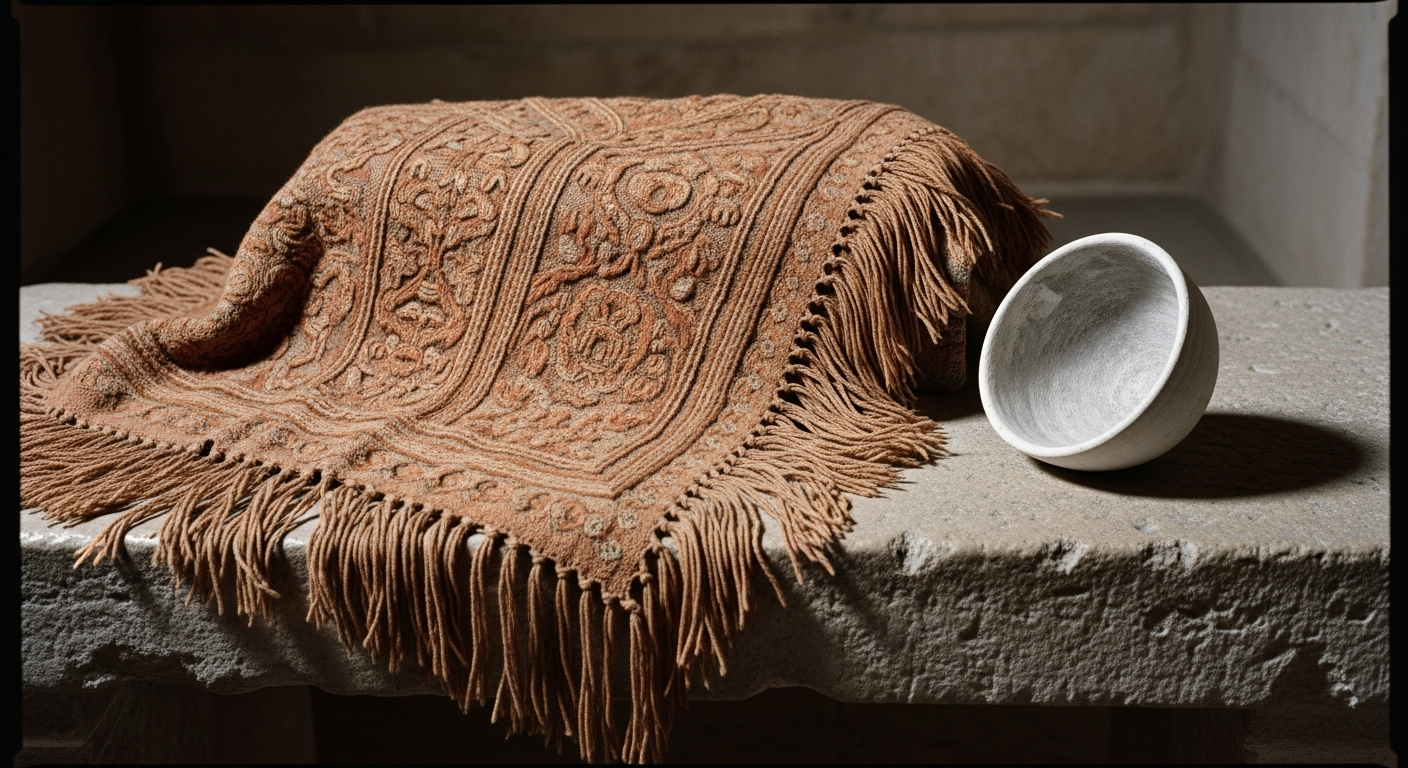
"Watch out for the legal scholars," he said. "The ones who love their long robes, who love being greeted with deference in the marketplace, who claim the best seats in the synagogue and the best places at every banquet." His voice dropped.
"They devour widows' estatesCulturedevour widows' estates (κατεσθίουσιν τὰς οἰκίας τῶν χηρῶν)Not generic greed — a specific mechanism of structural exploitation. The scribal class served as legal interpreters, estate trustees, and inheritance administrators. Widows, lacking direct access to legal protection and property rights, depended on exactly these men. The authority that made scribes essential to widows was the same authority that gave them access to widows' wealth. The Greek verb κατεσθίω (devour, eat up entirely) names consumption, not theft — a slower, more devastating process., and they do it under cover of long prayersTextunder cover of long prayers (προφάσει μακρὰ προσεύχονται)The key word is πρόφασις — "pretext, cover." The long prayers are not a separate charge alongside the exploitation. They ARE the mechanism: visible piety that makes invisible extraction unchallengeable. Religion as economic cover — this is the prophetic tradition's oldest and deepest complaint (cf. Isaiah 1:10-17; Amos 5:21-24; Micah 6:6-8).." The crowd knew what he meant. The scribal class were the legal experts — the men who managed inheritances, interpreted property law, served as trustees for women who had no other advocate. The authority that made them essential to widows was the same authority that gave them access to widows' wealth. And the long prayers? They were not a separate charge. They were the mechanism — the visible piety that made the invisible extraction impossible to challenge. "These men," Jesus said, "will receive the heaviest sentenceLifethe heaviest sentence (περισσότερον κρίμα)The sentence is heavier BECAUSE the religious cover made the exploitation worse. Piety does not mitigate the crime — it aggravates it. This is Jesus speaking as an internal prophetic critic of his own tradition, exactly as Isaiah, Amos, and Micah did before him. The text asks: where in our own communities does religious authority provide cover for the exploitation of the vulnerable? The question is not comfortable. It is not meant to be.."