Luke 34-35
Salt
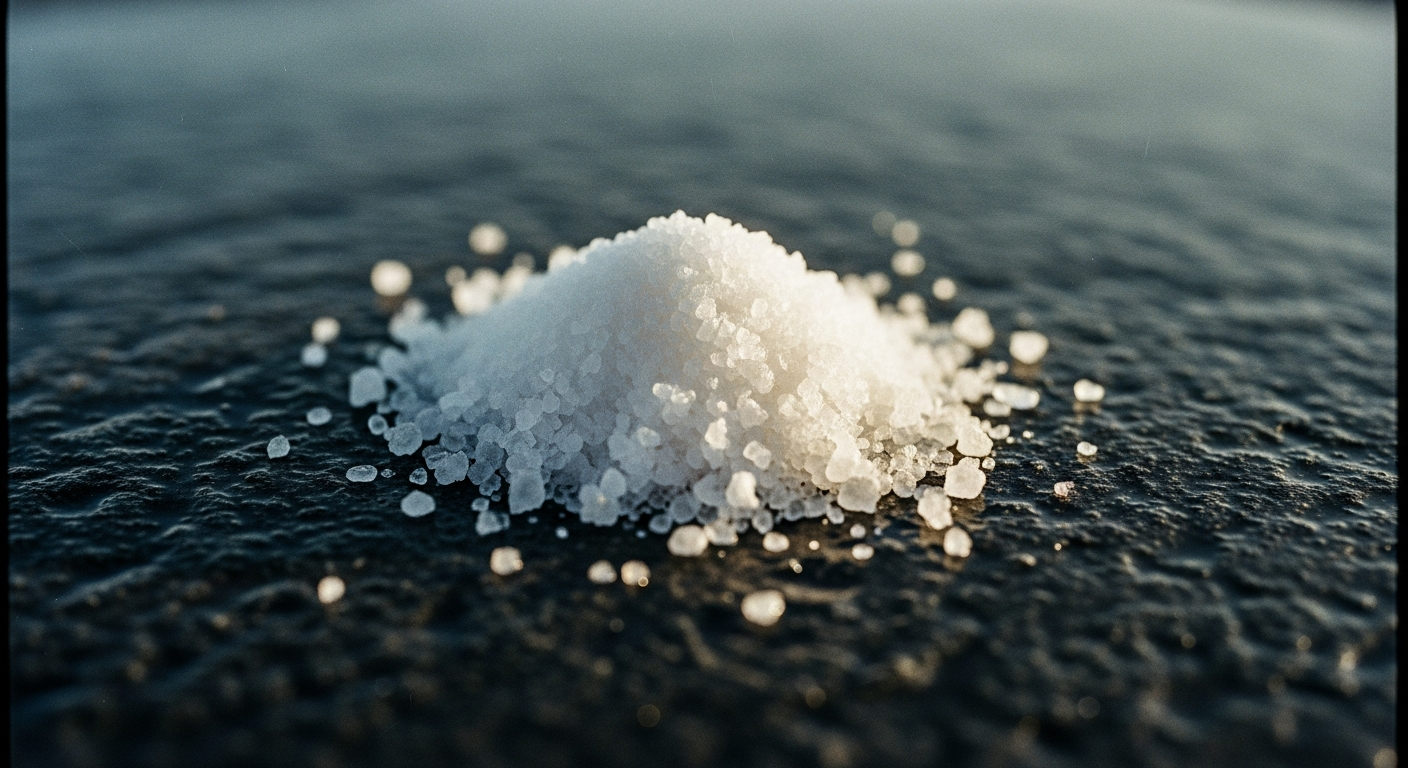
"Salt is good. But if salt loses its saltinessTextloses its saltinessThe Greek μωρανθῇ carries a double meaning that English cannot capture: it means both "to become tasteless/insipid" (its primary everyday sense) and "to become foolish" (its primary New Testament usage — see Romans 1:22; 1 Corinthians 1:20). The wordplay connects foolish discipleship to tasteless salt: a follower who does not count the cost (14:28-33) is both foolish and flavorless — useless for the kingdom's purposes.Cultureif salt loses its saltinessUnlike modern refined salt (pure sodium chloride), Palestinian salt was mined from the Dead Sea region and was mixed with gypsum and other minerals. Under certain conditions — particularly exposure to moisture — the sodium chloride could leach out, leaving a mineral residue that looked like salt but had no flavor. Archaeological chemistry confirms this was a real phenomenon, not a hypothetical impossibility (E. P. Deatrick, Biblical Archaeologist 25, 1962). The residue was useless even as soil amendment — "neither for the soil nor for the manure pile" describes absolute uselessness in agricultural terms. — what then? How will you season it? Not for the soil. Not even for the manure pile. They throw it out." He looked at them one more time. "Whoever has ears to hear — let them hear."